License plate readers in Colorado, explained
Thousands of cameras across Colorado record every car that drives by. Most were sold to cities as stolen-car detectors. Today they feed a national search network with AI tools, and no Colorado law limits how it’s used.
Updated October 2026
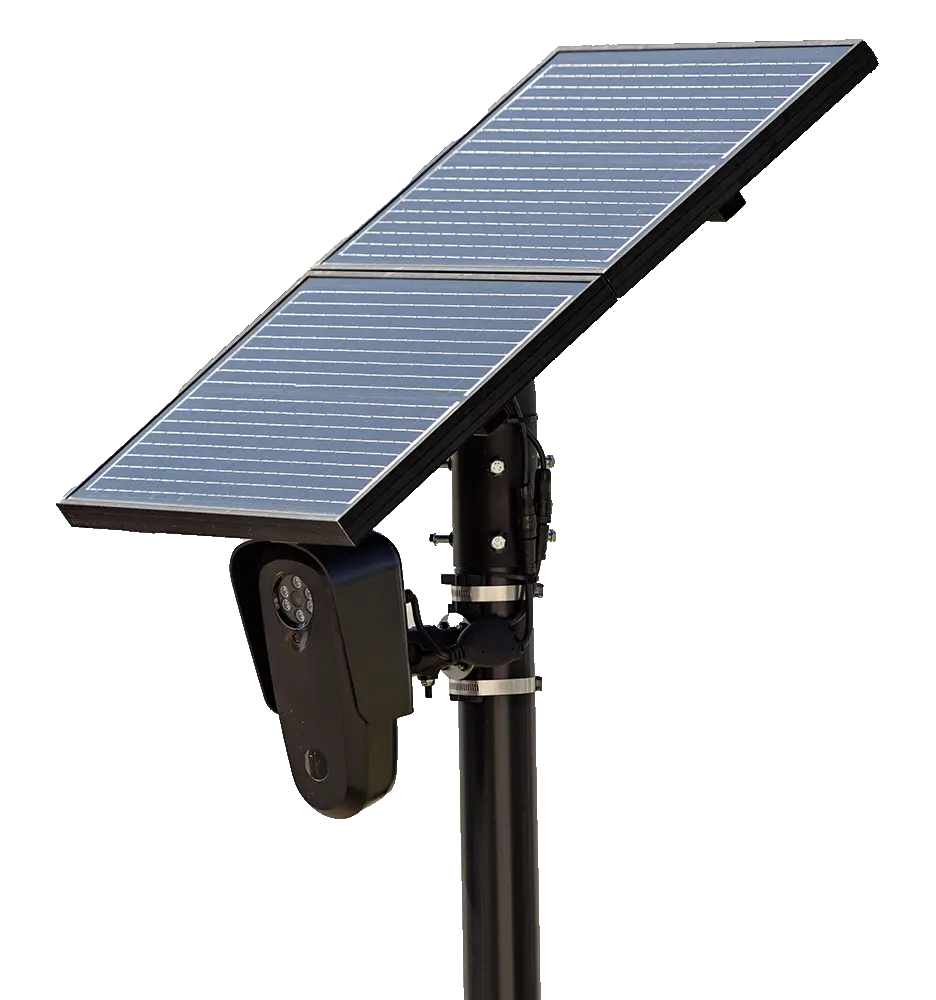
What is a license plate reader?
An automatic license plate reader (ALPR) is a camera that photographs every passing car and turns the plate into searchable text. Police have used them for years to find stolen cars.
Flock Safety is the biggest vendor in Colorado. Its cameras are small black boxes on poles, often with a solar panel on top.
How the cameras have changed
The old cameras checked plates against a stolen-car list and kept little else. The new ones keep a record of everyone, and the vendor keeps adding features. Because cities had already approved plate readers, most of these upgrades arrived through software updates and contract renewals, without a new public vote.
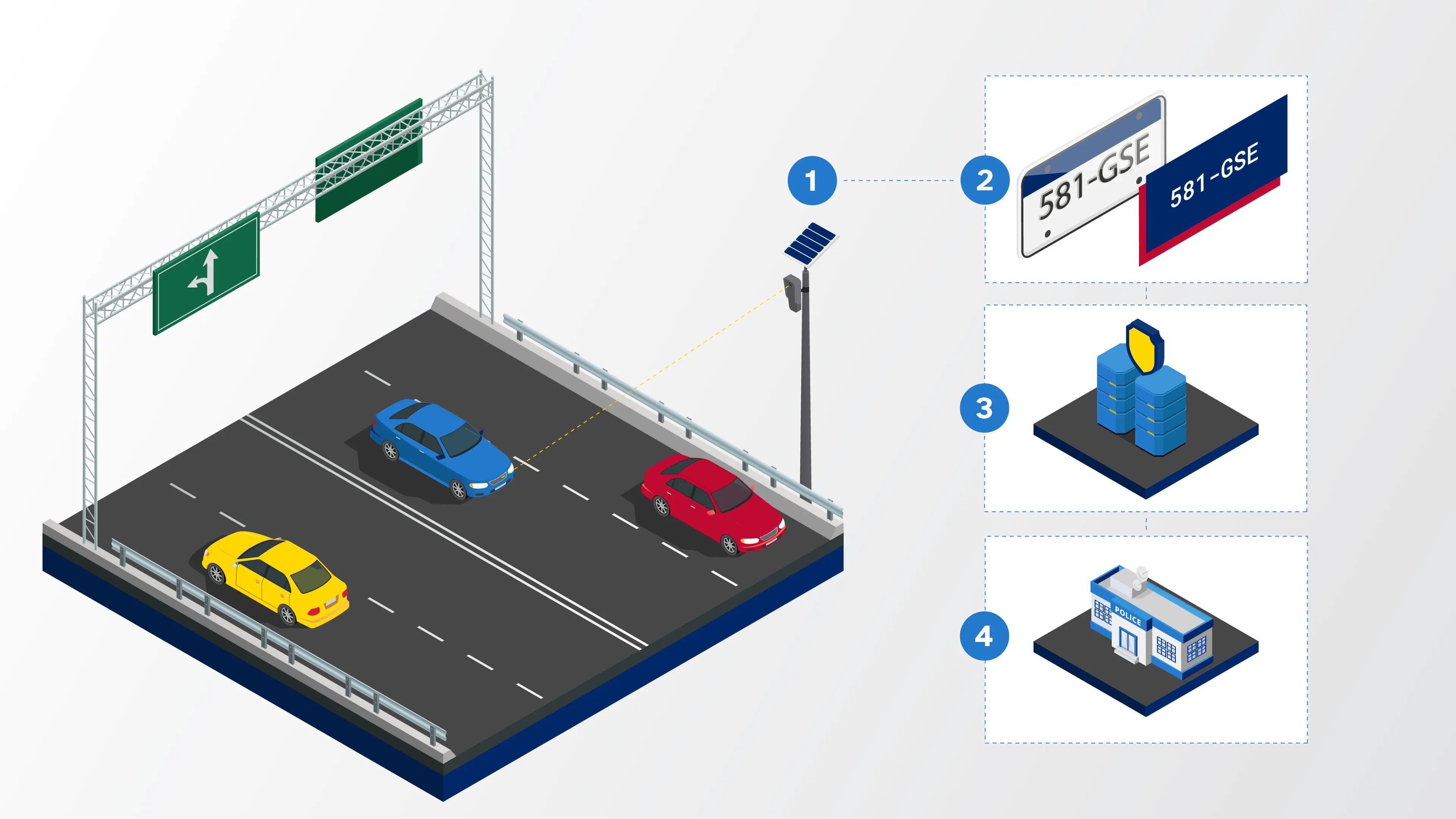
Classic plate readers
- ✅ Read plates 24/7
- ✅ Check plates against stolen-car lists
- ✅ Installed on major roads
- ✅ City owns the hardware and data
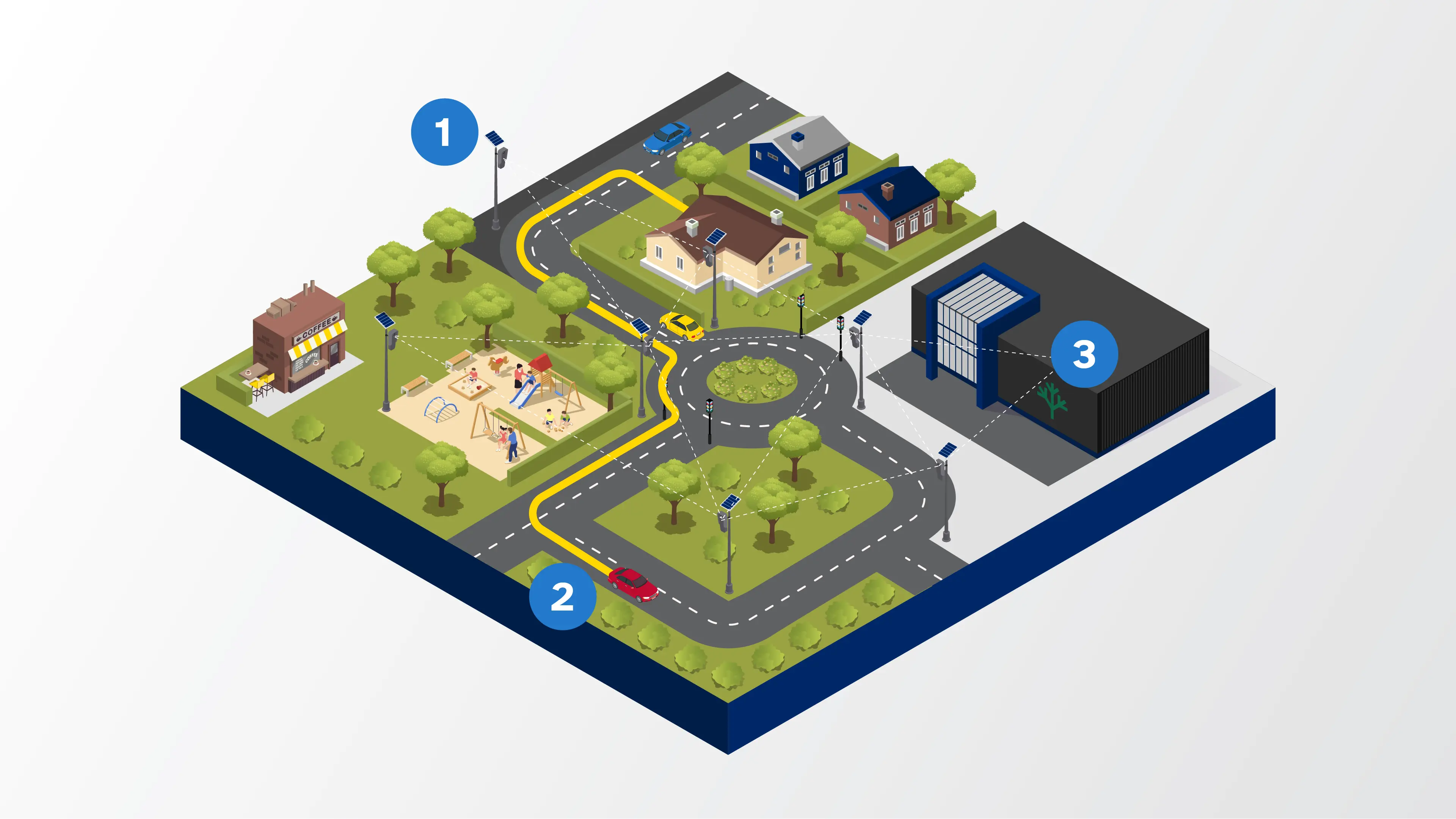
Today’s networked cameras
- ✅ Read plates 24/7
- ✅ Check plates against stolen-car lists
- 🚩 Installed in neighborhoods and shopping centers
- 🚩 Log make, color, dents, and bumper stickers
- 🚩 Searchable by description, not just plate
- 🚩 City rents access from a private company
- 🚩 Often shared with agencies in other states
What the software can do now
Flock’s own marketing describes tools that go well beyond reading a plate. Most are paid add-ons, and cities rarely say which ones they use.
- Search by description. Type “man in a blue shirt and cowboy hat” or “damaged dark SUV” and get matches across cameras.
- Find a car without its plate. AI matches vehicles by features like roof racks, damage, and bumper stickers.
- Convoy search. Find the cars that often travel with a target car, and so the people in them.
- Pattern alerts. Flag cars whose trips across cities and states the software decides look suspicious.
- People lookup. Flock’s Nova tool links plates to public records to go, in Flock’s words, from “LPR to person.”
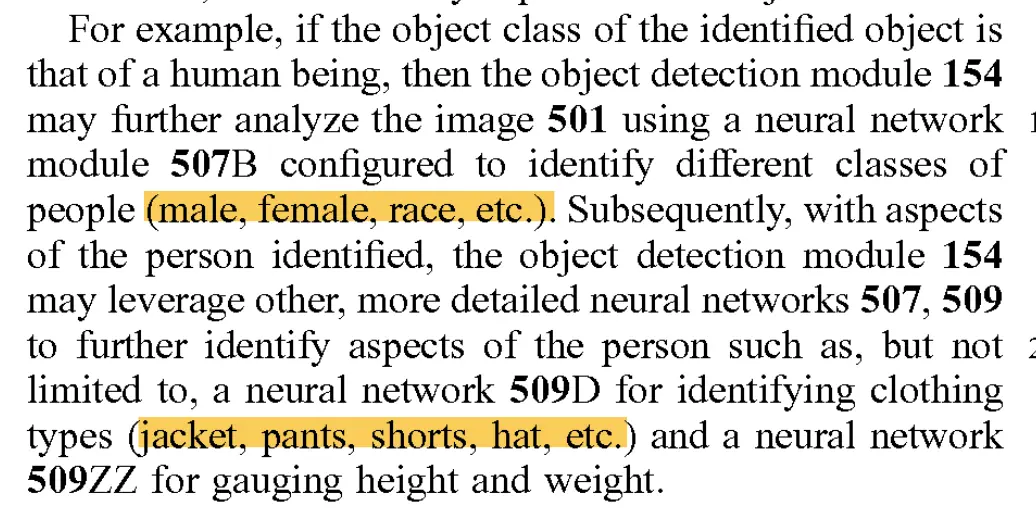
Flock says it does not and will not offer facial recognition. That is a company policy, not a law or a contract term. A patent filed by Flock’s founders describes sorting people by sex and race and searching for them by face.
Flock also says it may use a small share of camera images to train its AI. In late 2025, reporters found overseas gig workers labeling that footage.
Who can search your data?
When a city turns on sharing, officers at other agencies can search its cameras without asking first. Each police department picks its own settings, and they vary a lot.
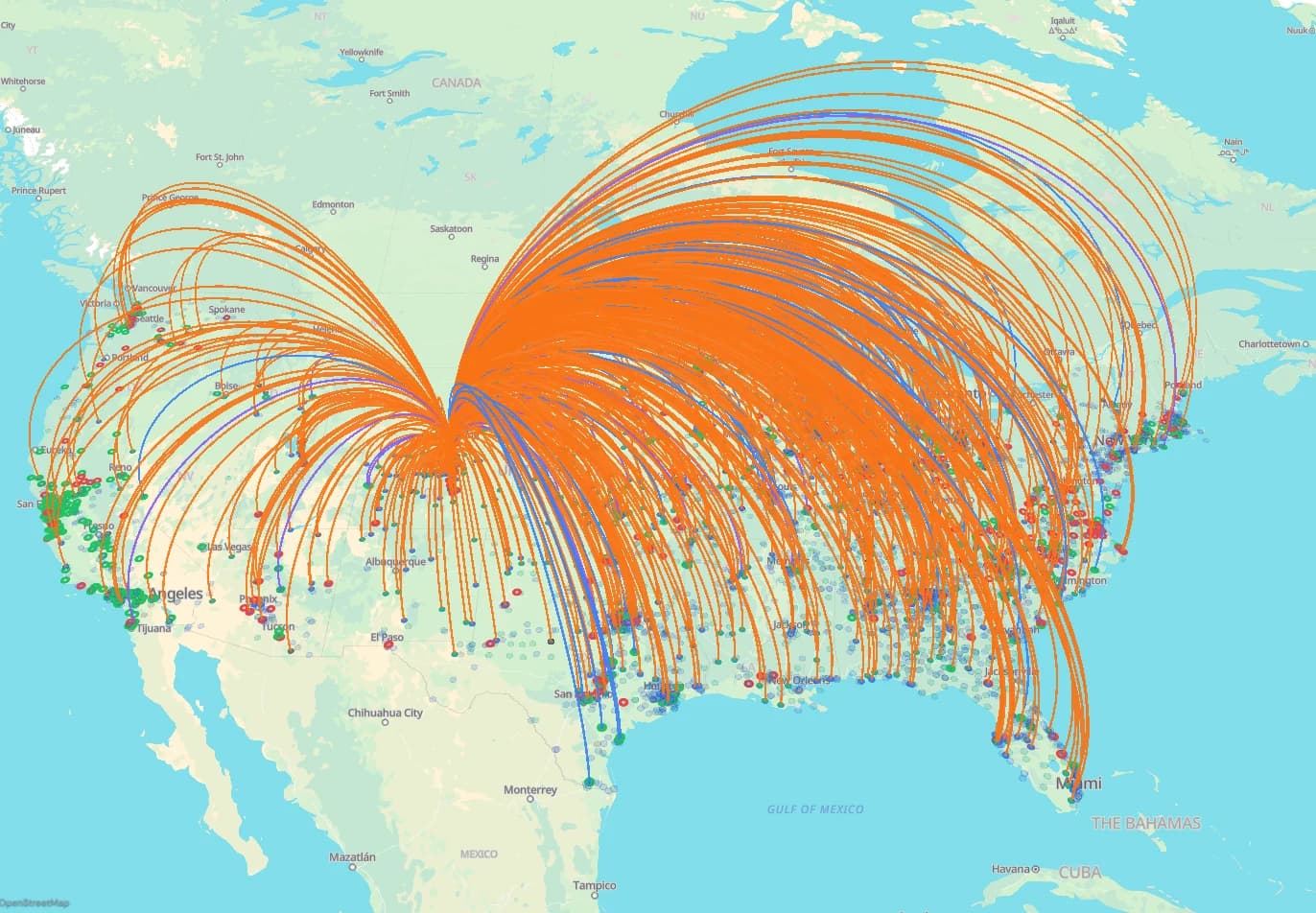
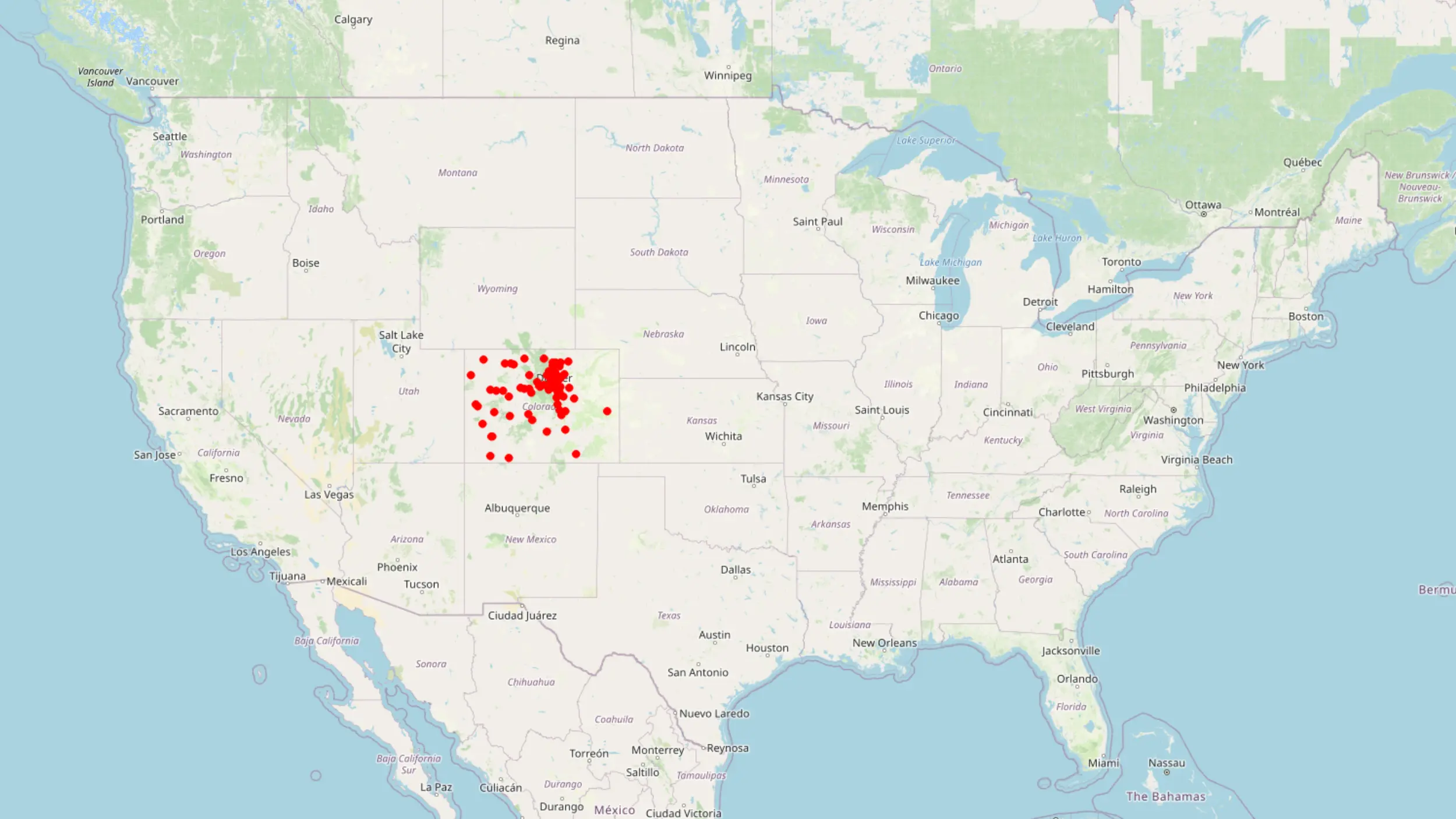
What that has meant in Colorado:
- Denver’s data was searched about 1,400 times for immigration reasons between June 2024 and April 2025, mostly by out-of-state agencies.
- Loveland police let a federal ATF agent use their access to run 26 ICE-related searches, which reached Denver’s data.
- U.S. Border Patrol searched Boulder’s data more than 100 times before the city cut off national sharing in June 2025.
State law already bars local agencies from sharing personal information for immigration enforcement. These cases show how hard that is to enforce on a shared network. Nationally, reporters have documented nearly 50 cases of officers misusing Flock, including tracking ex-partners.
Many Colorado cities don’t publish who they share with. Your city’s page shows what we’ve been able to find.
Look up your cityWhen the camera gets it wrong
In September 2025, a Columbine Valley police sergeant showed up at a Denver woman’s door with a summons for stealing a $25 package. His evidence was a Flock hit and doorbell video. He said he had “zero doubt” and wouldn’t look at her evidence. She cleared herself with her own dash cam and phone location history, and the summons was voided.
Flock says an alert is a lead, not a conclusion. In practice, that check doesn’t always happen. An audit of the LAPD found 161 alerts in two months for cars that were no longer stolen.
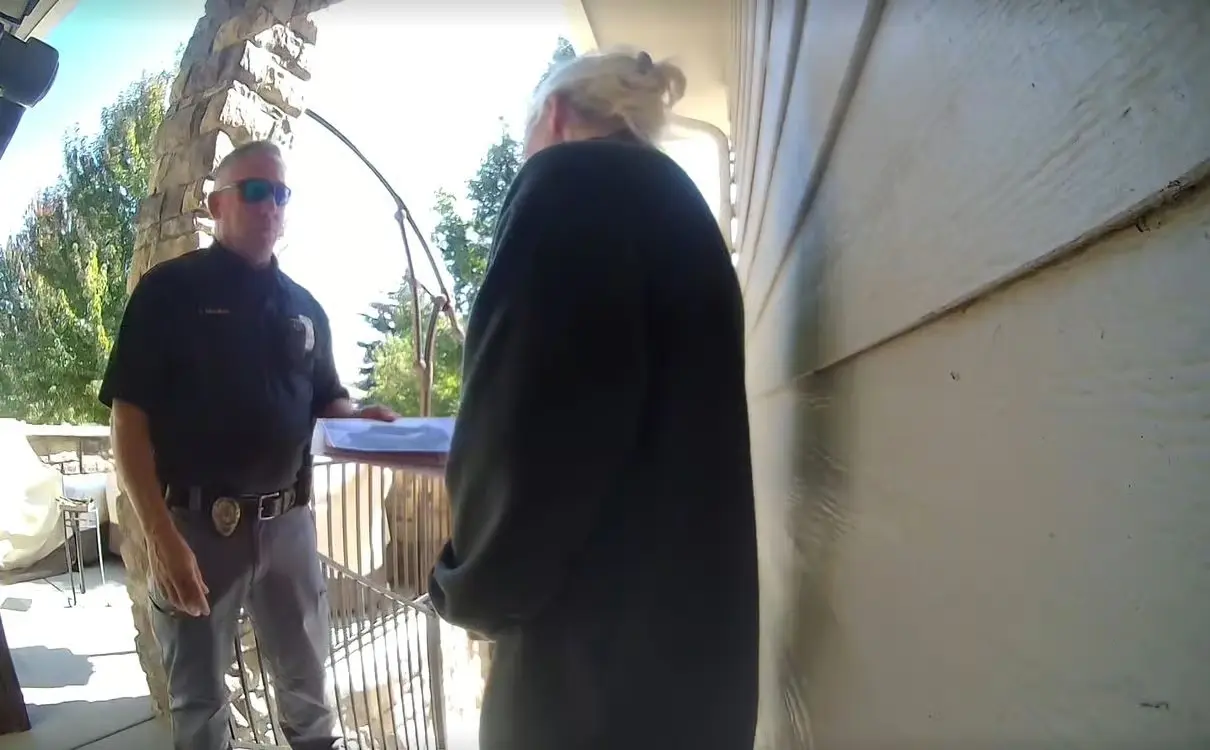
The Colorado Sun • October 28, 2025
After police used Flock cameras to accuse a Denver woman of theft, she had to prove her own innocence

Who owns the data?
Cities don’t really buy these cameras. They subscribe to Flock’s service, and the data lives on Flock’s servers. Flock says cities own their data, but the contract is narrower than that:
- The city owns the photos. Flock owns the “outputs, analyses, reports, models” built from them, and keeps a perpetual license to the data.
- The contract terms live on Flock’s website. Flock has rewritten them four times since October 2024. One version said raw footage wasn’t city data at all.
- Signing anything new, like a renewal or one more camera, can move a city onto whatever terms are posted that day.
Is the data secure?
Every plate read sits on Flock’s cloud, reachable by thousands of logins across the country. Flock has a track record of security gaps, and several were fixed only after outsiders found them:
- September 2026: Flock’s own outside security test found 36 problems, 2 of them critical and 7 high. Flock says the serious ones are fixed.
- August 2026: Flock finally required two-factor login, nine years after launch. West Virginia lawmakers later said Flock’s testimony implied it had been required all along.
- June 2026: police search reasons and plates showed up in Bing and DuckDuckGo results. A Northern Colorado privacy group spotted it first.
- December 2025: at least 60 of Flock’s people-tracking cameras were found livestreaming to the open internet. Anyone could download 30 days of video.
- November 2025: malware had stolen the passwords to at least 35 police Flock accounts, and a DEA officer used an Illinois detective’s login to run an immigration search. Members of Congress asked the FTC to investigate.
- May 2025: leaked materials showed Flock’s Nova people-search tool drawing on hacked data, including the 2021 ParkMobile breach. Flock later said it would stop.
What Colorado law says
Colorado has no law written for license plate readers. Your city’s contract and policy are the only real rules. A few general laws apply:
- Your plate number counts as personal information under state law (C.R.S. 24-74-102).
- Local agencies and their vendors can’t share that information for federal immigration enforcement, with fines up to $50,000 per violation (SB25-276).
- Government “passive surveillance records” must be destroyed after three years (C.R.S. 24-72-113). No court has said whether that covers data on a vendor’s servers.
Lawmakers tried to do more in 2026. SB26-070 would have required a warrant for searches older than 72 hours, capped retention at 30 days, and kept data in Colorado. It died after the governor’s office signaled a veto. A broader oversight bill, SB26-071, also died.
Courts are moving faster. In June 2026, the U.S. Supreme Court held in Chatrie v. United States that even short-term location tracking can be a Fourth Amendment search. In October, a federal judge in Oklahoma ruled a warrantless Flock search unconstitutional, calling the network “a type of indiscriminate mass surveillance.” A California court ruled the other way the same month. A lawsuit against Boulder’s cameras is pending in state court.
Do they reduce crime?
The best evidence so far shows an effect on car theft and nothing else. A 2026 study of 216 agencies found car thefts fell 11% after cameras went in, with no change in other property crime. The federal government’s CrimeSolutions database rates plate readers “Ineffective” as a general deterrent. No Colorado city has published a before-and-after look at its own program.
Colorado cities are changing course
Some of the state’s largest communities have dropped Flock or put tighter limits in their contracts.
- Fort Collins
- Council voted 6–1 in June 2026 to cancel Flock and pause similar technology until it adopts a surveillance policy.
- Denver
- Dropped Flock for Axon in February 2026, with 21-day retention, no AI training on city data, and no out-of-state or federal sharing written into the contract.
- Douglas County
- Replacing its Flock cameras with Axon. The sheriff said "trust was lost."
- Boulder
- Cut retention from 28 to 14 days and pushed its vendor decision to 2027, with privacy worth 20% of the bid score.
Switching vendors doesn’t fix the problem by itself. Axon also allows searches without a warrant. What made Denver’s deal different is that the limits are written into the contract.
Flock cut its own default retention from 30 days to 7 in August 2026, after finding most searches happen within a week. Cities that already had Flock keep their old setting unless they change it.
Questions to ask your city
Most cities haven’t answered these in public. Ask them at a council meeting or in a records request.
- Which version of Flock’s terms is our city bound by, and has anyone signed a new order form since?
- Why do we keep data longer than 7 days, now that Flock’s own default is 7?
- Which outside agencies can search our cameras, and how many searches did they run last year?
- Which AI add-ons do we pay for or have on trial?
- How many alerts led to an arrest or recovery, and how many were wrong?
- Will we publish a transparency portal? It’s free.
Want to dig deeper? Our resources page has statutes, records-request templates, court filings, and the community camera map.
Sources
What the software can do
- Flock: FreeForm search
- Flock: LPR cameras and Vehicle Signature
- GovTech: convoy and multi-location search (2021)
- ACLU: Flock flags "suspicious" movement patterns (July 2025)
- 404 Media: Nova people-search tool
- US Patent 11,416,545 B1 (Flock Group)
- 404 Media: overseas gig workers label Flock footage (Dec 2025)
Who can search your data
When the camera gets it wrong
Who owns the data
Security
- Flock: Bishop Fox penetration test results (Sept 2026)
- Daily Signal: West Virginia lawmakers on Flock testimony
- 404 Media: Flock drops hacked data from Nova (May 2025)
- 404 Media: Condor cameras exposed online (Dec 2025)
- 404 Media: police searches leaked to search engines (June 2026)
- Sen. Wyden and Rep. Krishnamoorthi letter to the FTC
Colorado law and the courts
Crime and Colorado cities
- Mourtgos and Adams, working paper (Aug 2026)
- NIJ CrimeSolutions rating
- Flock: August 2026 retention and audit changes
- Civic IQ: Fort Collins council agenda (June 2026)
- Colorado Politics: Denver ends Flock contract
- Axios Boulder: Boulder delays decision, Douglas County switches
- City of Boulder: competitive bid